
Moving to Mexico from the U.S. becomes more manageable when you treat housing, paperwork, and language as separate tasks and get local help where the process is unfamiliar. Start by defining your needs and timeline, then use trusted local professionals to understand neighborhoods, coordinate property visits, and clarify which documents apply to your situation.
What should you plan before moving to Mexico from the U.S.?
Relocation can feel like one enormous decision. It is easier to manage when you break it into smaller choices: where you want to live, whether to rent or buy, what paperwork applies to you, and what kind of support you will need after arrival.
Start with a short list of priorities rather than trying to choose a home immediately. Consider climate, access to services, travel connections, daily transportation, and how close you want to be to a city center, beach, or airport. Think about your real routine, not only the activities you enjoy on vacation.
- Set a realistic timeline. Separate the time needed to explore locations from the time needed to choose a home and organize your move.
- Write down your housing needs. Include the number of bedrooms, accessibility, outdoor space, and whether you need a furnished place or room for pets.
- Plan for a transition period. Temporary accommodation can give you time to learn an area before committing to a long-term home.
- Decide what help you need. You may want support with property visits, document translation, setting up services, or finding local professionals.
Keep a shared folder of essential records and a separate list of questions for your financial, immigration, and property advisers. A simple plan makes it easier to spot unanswered questions before they become urgent.

How can local guidance make finding a home easier?
A home search is not just about matching a property to a budget. It is also about understanding how a neighborhood functions throughout the year, what daily errands involve, and whether the location fits your plans for work, retirement, or visits from family.
Before browsing listings, turn your priorities into a clear brief. For example: “a two-bedroom home near everyday services, with outdoor space, in a walkable area.” Include the features you can compromise on, too. This helps a local advisor narrow the search instead of sending you properties that look appealing but do not suit your routine.
Local guidance can help you compare neighborhoods, arrange visits, and understand which questions to raise about a property. During a visit, look beyond the photos: check access, noise at different times, maintenance needs, parking, internet availability, and how far essential services are. If you are buying, keep property checks and the legal review separate from your impression of the home.
For a first look at available options, browse homes for sale in Mexico. Homes in Mexico also offers a bilingual search experience and buyer support to help international buyers organize a shortlist and property visits.
If you are unsure whether to buy right away, consider a temporary rental first. Living in an area for a while can reveal whether its pace, services, and location work for you. Renting first is not a requirement, but it can reduce pressure to make a permanent choice during a short visit.
What paperwork should you expect when relocating?
“Paperwork for moving” is not a single process. Immigration status, property ownership, banking, health coverage, and tax obligations may involve different offices and professionals. Which documents you need depends on your circumstances, so avoid relying on a general checklist as if it were a personal legal plan.
For immigration permissions, property title and purchase structure, and tax treatment, a qualified immigration professional, Mexican notary, and accountant should clarify the requirements for your case. Buying property and obtaining permission to live in Mexico are separate matters; owning a home does not itself determine your immigration status.
You can make professional conversations more efficient by preparing a basic document system:
- Keep clear digital copies of identification, financial records, and important property documents in a secure location.
- Make a list of documents that may need translation or other formal handling, then get instructions from the relevant professional before arranging it.
- Track deadlines, appointments, fees, and the name of the person responsible for each next step.
- Ask for written explanations of unfamiliar terms, especially before signing documents or transferring funds.
Do not assume a document prepared for a U.S. institution will automatically meet a Mexican office’s requirements, or the reverse. A local professional can tell you what applies and help you avoid spending time on documents you do not need.

How can you manage communication if your Spanish is limited?
You do not need to become fluent before starting your relocation plan. You do need a reliable way to communicate about important decisions, especially when discussing contracts, money, repairs, medical needs, or government procedures.
For important meetings, ask whether a bilingual professional is available or arrange an interpreter who understands the subject. Request key details in writing, including the next steps, dates, costs, and who is responsible. If a conversation moves quickly, it is reasonable to pause and ask for a clearer explanation before agreeing to anything.
Learn a small set of useful phrases for daily interactions, and save essential information on your phone in both English and Spanish. This might include your address, emergency contacts, medication names, and instructions for a delivery or service visit. Translation apps can help with routine exchanges, but they should not be the only tool for interpreting legal or financial documents.
Communication is also a two-way opportunity. Learning local expressions and building relationships with neighbors, service providers, and community groups can make daily life more comfortable over time. A local guide can help you understand where a direct translation is not enough and when you need a specialist.
How do you turn the first months into a manageable transition?
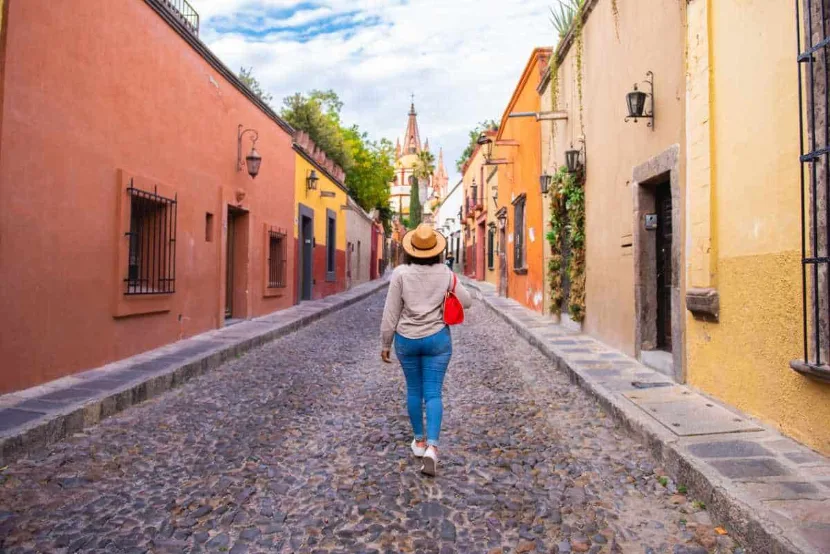
Think of arrival as a settling-in period, not a test you have to pass immediately. Focus first on the essentials: a dependable place to stay, a way to reach important services, a working phone and internet connection, and a clear record of appointments and paperwork.
Give yourself time to learn the practical details of your chosen area. Test your commute or regular routes, locate grocery stores and health services, and learn how local utility and maintenance arrangements work. If you are buying, keep a written record of agreed repairs, delivery dates, and the people handling each task.
It can help to assign one person to each type of question: a property professional for the home search, an immigration specialist for residency matters, a notary for the deed and transaction, and an accountant for tax questions. This keeps advice within each person’s area of expertise and makes it easier to know whom to contact when plans change.
For an overview of the home-buying process and the questions foreign buyers commonly need to consider, read this guide to buying real estate in Mexico as a foreigner. With clear priorities and the right local support, unfamiliar tasks become a series of decisions you can handle one at a time.
Frequently asked questions
Should I rent before buying a home in Mexico?
Renting first can give you time to experience a neighborhood through ordinary routines and different seasons. It is one option, not a rule; the right choice depends on your timeline, finances, and how well you already know the area.
Can I use my U.S. health insurance after moving to Mexico?
Coverage varies by insurer, plan, provider, and type of care. Ask your insurer what is covered in Mexico and discuss local coverage options with a qualified insurance professional before relying on a policy.
What should I plan for when moving with a pet?
Check current animal-entry requirements, airline rules, and any documentation or timing requirements well before travel. Requirements can change, so use official government guidance and your veterinarian when planning.
Can I keep my U.S. bank account after relocating?
That depends on your bank’s policies and your personal circumstances. Contact the bank directly about address changes, access while abroad, transaction limits, and any documents it may require.
Tell us what you're looking for
Share the city, budget and kind of home you have in mind, and we'll let you know when something that fits comes up.