
Listing a house or condo online has never been easier. In just a few minutes, you can upload photos, describe the property, show its location, and start receiving inquiries from potential buyers.
But there is a big difference between simply publishing a property listing and creating a real estate ad that actually generates qualified leads.
An incomplete listing, poor-quality photos, confusing information, or an unrealistic asking price can cause an excellent property to get lost among hundreds of competing listings.
If you are planning to sell or rent a property in Mexico, avoid these common mistakes that can significantly reduce the effectiveness of your listing.
1. Not Including the Price
One of the first things any buyer wants to know is how much the property costs.
Listings that use phrases such as “price upon request,” “contact us for pricing,” or “message us for details” may create curiosity, but they can also cause many users to simply move on to the next listing.
Today’s buyers compare properties quickly.
They want to know:
Price.
Location.
Property size.
Number of bedrooms.
Amenities.
Overall condition.
The more relevant information you provide upfront, the more likely you are to receive inquiries from people who are genuinely interested.
2. Setting an Unrealistic Price
Including a price is important, but setting the right price is even more important.
One of the most common mistakes sellers make is pricing a property based only on personal expectations, past investments, or the amount they hope to receive.
The asking price should take into account factors such as:
Location.
Square footage.
Property condition.
Age.
Amenities.
Comparable properties.
Local inventory.
Current market trends.
A property listed significantly above market value may sit on the market for months and gradually lose buyer interest.
Before listing it, consider requesting a professional valuation or comparative market analysis.
The goal is not simply to sell, but to find the best possible balance between price and time on the market.
3. Sharing the Exact Location and Sensitive Information
Location is one of the most important criteria buyers use when searching for properties.
That is why your listing should include useful information such as:

City.
Municipality or borough.
Neighborhood.
General area.
Nearby points of interest.
Main roads and access routes.
However, that does not mean you should publish sensitive or overly specific information.
Sharing the complete address of an occupied property can create privacy and security concerns.
A better approach is to provide enough information for the buyer to evaluate the area, while sharing more specific details only after the prospect has been identified and a showing has been scheduled.

4. Using Poor-Quality Photos
Online, the first property showing begins with a photo.
A dark, blurry, cluttered, or poorly framed image may be enough for a buyer to dismiss the property without even reading the description.
Before taking photos:
Clean and organize every room.
Open curtains and blinds.
Take advantage of natural light.
Remove unnecessary personal items.
Photograph multiple areas of the property.
Use horizontal images when appropriate.
Avoid blurry or overly edited photos.
Whenever possible, complement your photos with:
Video.
Virtual tours.
Aerial images.
Floor plans.
Strong visual presentation can significantly increase interest in a property.
5. Exaggerating or Misrepresenting the Property
Accurately describing a property is essential for building trust.
Exaggerated claims may attract a click, but if the actual property does not match the listing, the result will likely be a disappointed buyer.
Do not describe a property as:
“Just steps from the beach”
if it actually takes 30 minutes by car to get there.
Likewise, do not say:
“Completely remodeled”
if only minor cosmetic upgrades were made.
Be transparent about:
Size.
Condition.
Age.
Amenities.
Location.
Parking.
Terms of sale.
Transparency helps attract better-qualified prospects and reduces unnecessary showings.
6. Publishing Personal Information or Important Documents
A real estate listing should provide enough information to generate interest, but it should never expose confidential documents or personal information.
Avoid publicly posting full images of:
Property deeds.
Identification documents.
Contracts.
Utility bills containing personal data.
Banking information.
Tax documents.
Signatures.
Personal information belonging to the property owner.
These documents may be necessary during a transaction, but they should only be shared with the appropriate professionals and parties through a secure process.
7. Writing a Weak or Incomplete Property Description
A good property description should do more than list bedrooms and square footage.
It should help buyers understand why the property could be the right choice for them.
Instead of writing:
“3-bedroom home, 2 bathrooms, parking.”
You could say:
“Spacious three-bedroom home with parking and an excellent location, ideal for families looking for comfort and convenient access to schools, services, and major roads.”
The basic information is almost the same, but the second version communicates benefits.
Include details such as:
Lot size.
Construction area.
Bedrooms.
Bathrooms.
Parking spaces.
Amenities.
Services.
Special features.
Approximate location.
Price.
Most importantly, highlight what makes the property different from competing listings.
8. Offering Only One Way to Make Contact
If someone finds a property they like, the next step should be easy.
Providing only an email address may slow down communication and reduce the number of inquiries you receive.
Whenever possible, offer multiple contact options:
Phone.
WhatsApp.
Email.
Contact form.
Messaging through the real estate platform.
Different buyers prefer different communication channels.
Some will want to call immediately.
Others will send a WhatsApp message.
Others may prefer to submit an online form.
The principle is simple: the easier it is to contact you, the fewer opportunities you are likely to lose.
9. Unnecessarily Publishing the Owner’s Personal Contact Information
Publicly sharing the property owner’s direct phone number, email address, and personal details can lead to unqualified calls, unwanted messages, and potential security concerns.
Whenever possible, communication should be managed through a professional channel, real estate platform, or advisor responsible for handling buyer inquiries.
In addition to protecting the owner’s privacy, this approach can help:
Identify serious buyers.
Keep a record of inquiries.
Provide consistent follow-up.
Schedule property showings.
Avoid duplicate conversations.
Keep the sales process organized.
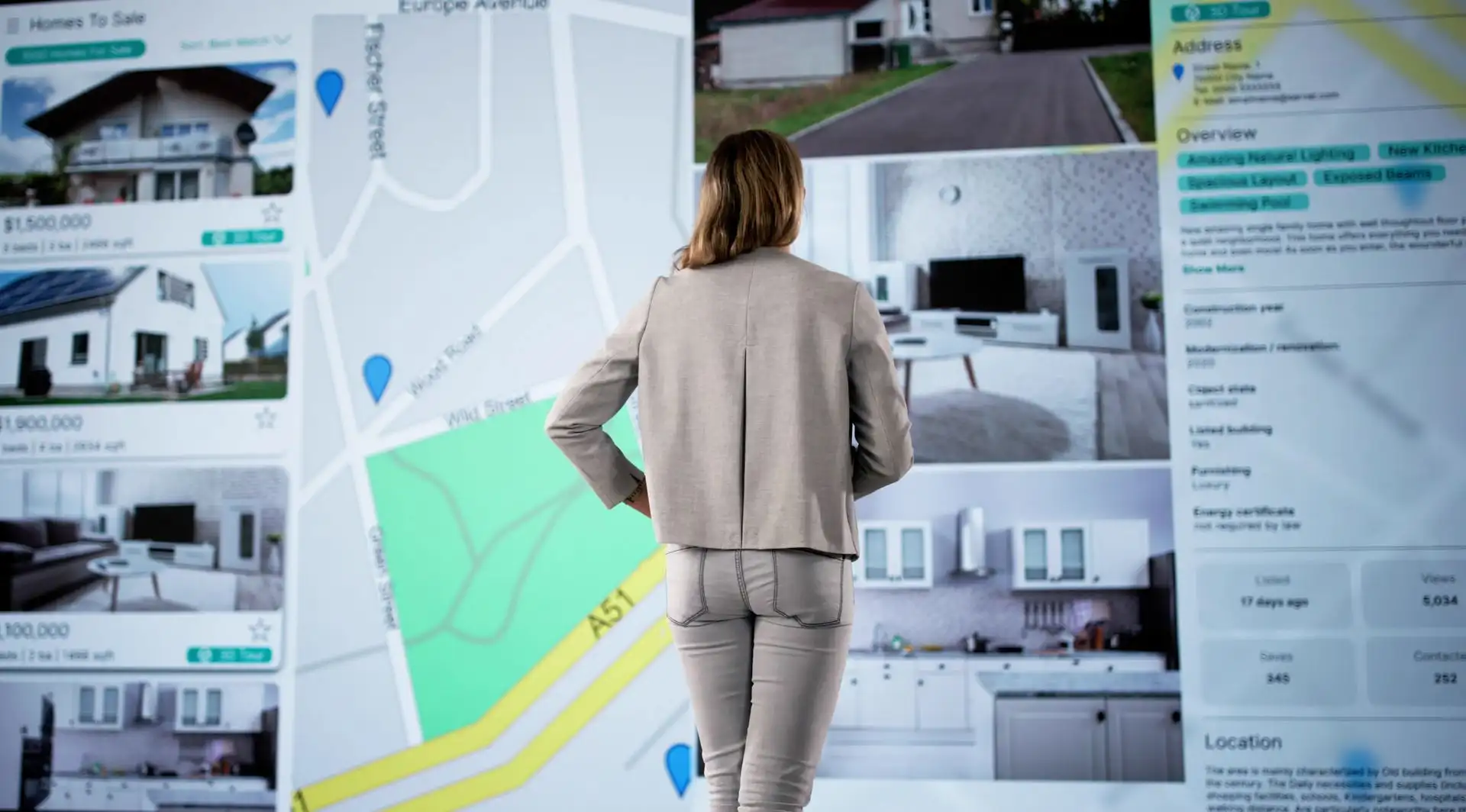
Your Listing Should Build Trust Before It Generates a Showing
Buying a property is a major financial decision.
Before contacting a seller, buyers look for signs that help them feel confident about the listing.
A professional listing should quickly answer questions such as:
How much does it cost?
Where is it located?
What is the property like?
What features does it offer?
Why should I consider it?
How can I get more information?
If your listing answers these questions clearly, you are removing barriers between the buyer and the property.
Promote Your Property with Homes in Mexico
If you are looking to sell a house, condo, or other property in Mexico, gaining visibility among the right audience can make a major difference.
At Homes in Mexico, we connect the Mexican real estate market with people interested in buying, living, and investing in Mexico.
Present your property professionally, highlight its strongest features, and make it easier for potential buyers to discover the property they are looking for.
Your next sales opportunity could begin with a better listing.
